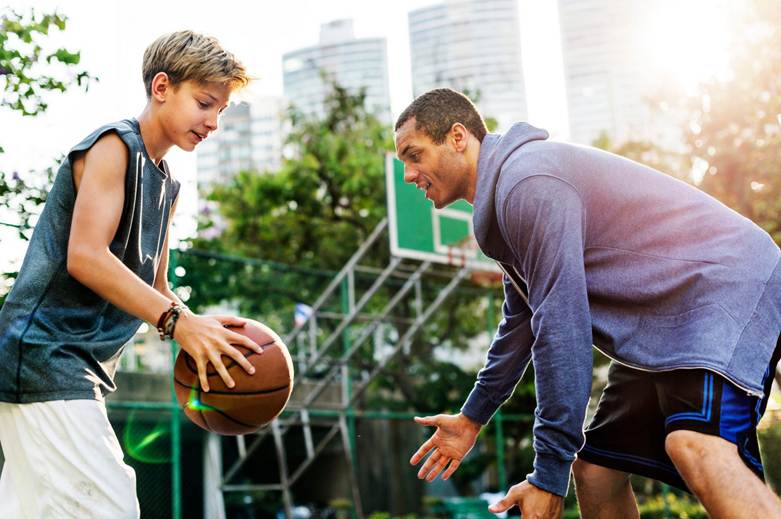
A successful season is measured in more than wins and losses. For Christopher Sohm, coaching basketball and football offers a perspective on how high school sports can help young athletes develop discipline, teamwork, leadership, and the ability to respond to setbacks. These lessons extend beyond competition, shaping how students approach challenges and take responsibility for their decisions.
Both sports demand preparation, discipline, communication, and adaptability. Yet their most enduring lessons often emerge away from the scoreboard, through the daily habits that shape how a team practices, competes, and learns.
Why Is Coaching About More Than Winning?
Winning is an important goal in competitive sports, but it is only one measure of a team’s development. A program also depends on whether players understand their responsibilities, support their teammates, respond constructively to feedback, and continue improving throughout a season.
For high school athletes, these experiences can be particularly formative. Students are learning to balance academic responsibilities, social relationships, personal expectations, and the demands of competition. A well-structured sports environment gives them opportunities to practice managing those competing priorities.
A coach contributes to that environment by setting expectations and establishing routines. Consistent standards help players understand what preparation requires and why individual choices affect the wider group.
The strongest approach recognizes that athletic development and personal development can complement one another. Players can pursue competitive goals while learning habits that remain useful long after a particular season ends.
What Can Basketball Teach About Decision-Making?
Basketball requires players to process information quickly. An athlete must assess defensive positioning, recognize passing opportunities, understand spacing, and decide whether to shoot, pass, or move without the ball.
These decisions occur in rapid succession, often under pressure. Players therefore need more than technical ability; they must learn to recognize patterns and make choices that support the team’s broader strategy.
Coaching helps create opportunities for that learning through drills, practice scenarios, film review, and constructive feedback. Rather than focusing exclusively on whether a decision produces a successful result, instruction can examine the reasoning behind it.
For example, a missed shot may follow a sound decision, while a made shot may result from an unnecessarily difficult attempt. Understanding that distinction helps athletes evaluate performance more thoughtfully.
Basketball also demonstrates the importance of contributing without always being the primary scorer. Setting screens, defending effectively, communicating switches, and moving into useful positions can influence a game even when those actions receive little public attention.
How Does Football Develop Collective Responsibility?
Football makes the relationship between individual responsibility and team performance especially visible.
Each play depends on coordinated assignments. A quarterback, lineman, receiver, running back, and defensive player may have very different responsibilities, but each role contributes to the team’s overall execution.
When one assignment is missed, the effects can extend beyond the player directly involved. This makes preparation, communication, and trust central to the sport.
Effective coaching helps athletes understand not only what they must do but also how their responsibilities connect with those of their teammates.
That process can encourage several valuable habits:
- Preparation: Learning assignments before competition reduces avoidable confusion.
- Communication: Clear information helps teammates respond to changing situations.
- Accountability: Players learn to acknowledge mistakes and focus on correcting them.
- Adaptability: Teams must adjust when an opponent changes its approach or circumstances shift unexpectedly.
- Trust: Athletes must rely on teammates to fulfill their responsibilities while remaining committed to their own.
These principles are not exclusive to football. They are useful wherever people must coordinate individual contributions toward a shared objective.
Why Does Practice Matter as Much as Competition?
Games provide visible tests of a team’s preparation, but practice is where many of the habits behind performance are developed.
Repetition helps athletes refine technique and become more familiar with the decisions required in competition. Structured practice also allows coaches to identify weaknesses, introduce adjustments, and give players opportunities to improve before those skills are tested under game conditions.
The quality of practice matters, however, and simply repeating an exercise is not always enough. Athletes benefit when they understand the purpose of a drill, receive useful feedback, and have opportunities to apply what they learn in realistic situations.
Competition during practice can also encourage improvement, provided that players understand the standards being applied. When expectations are clear, athletes can challenge themselves and one another without losing sight of the team’s shared goals.
How Should Coaches Help Athletes Respond to Setbacks?
Every team encounters difficult stretches. A player may struggle with a particular skill, lose playing time, make repeated mistakes, or find that a carefully prepared strategy does not work against an opponent.
These moments create opportunities to develop resilience, but the lessons are not automatic. Athletes need ways to assess what happened and determine what to do next.
A constructive response begins with separating performance from personal worth. A mistake is information about a particular action or decision, not a complete judgment of an athlete’s ability or potential.
Coaches can reinforce this distinction by offering specific feedback and identifying practical next steps.
A useful process might involve:
- Identifying the situation that created the difficulty.
- Evaluating which decisions or actions were within the athlete’s control.
- Selecting one or two areas for improvement.
- Practicing those skills with clear objectives.
- Reviewing progress and adjusting the approach when necessary.
This method encourages responsibility without treating every setback as a personal failure. It also gives athletes a practical framework for addressing challenges in academic work and other areas of life.
What Role Does Leadership Play on a Team?
Leadership is not limited to the captain or the most experienced player. It can emerge whenever an athlete takes responsibility, communicates constructively, or helps maintain standards.
A younger player who arrives prepared, a teammate who encourages someone after a mistake, or an experienced athlete who demonstrates a technique can all contribute to the team’s culture.
Coaches help shape that culture by defining what leadership looks like in everyday situations. If leadership is associated only with public recognition or exceptional performance, athletes may overlook the value of quieter contributions.
When preparation, reliability, respect, and accountability are recognized as leadership behaviors, more players have opportunities to contribute.
This approach also helps teams avoid depending entirely on one individual. A group with several players willing to take responsibility may be better positioned to maintain its standards when circumstances change.
How Can Lessons From Sports Extend Beyond the Season?
The habits developed through basketball and football can have applications outside athletics, although their benefits depend on how athletes reflect on and apply their experiences.
Planning ahead can support academic responsibilities. Responding to feedback can improve learning. Communicating clearly can help resolve disagreements. Working toward a shared objective can reinforce the importance of cooperation in future educational and professional settings.
Coaches can make these connections more meaningful by helping athletes recognize the reasoning behind their routines rather than assuming that participation alone guarantees personal growth.
Ultimately, the value of coaching extends beyond a final score. Through preparation, thoughtful instruction, accountability, and teamwork, sports can give young people opportunities to develop skills that remain relevant after the season ends.